What Should I Budget for 3D Exterior and Interior Renderings for a Multifamily Investor Deck?
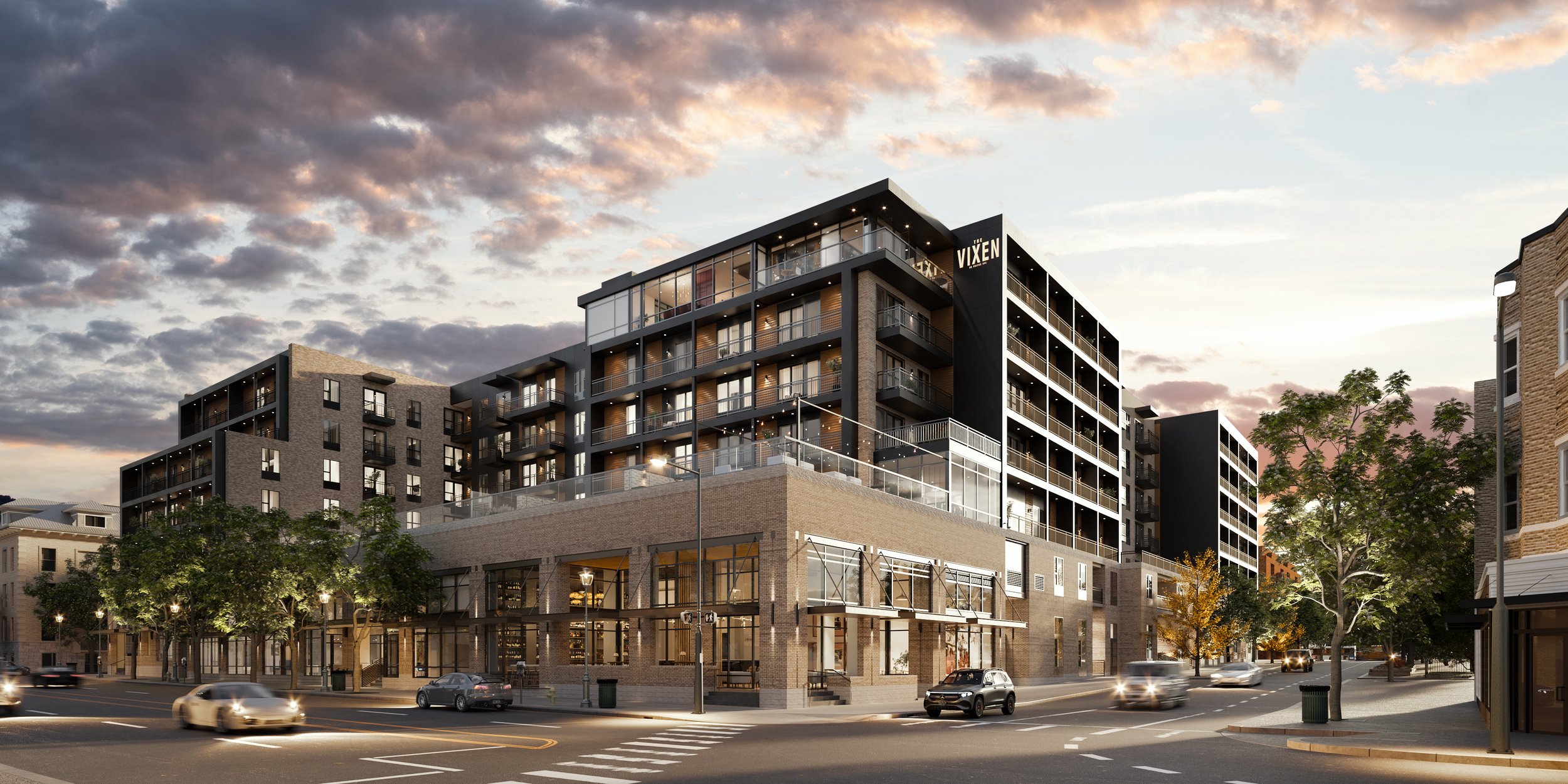
Kairoi Residential - The Vixen
For a multifamily investor deck, budget $1,950–$2,550 per interior image and $2,250–$3,250 per exterior image, with the per-image rate dropping as image count grows from a single shot to a small batch. A full package of statics for an investor deck typically runs $8,000–$15,000; add a VR tour or walkable web experience to that same package and the total moves into the $20,000–$60,000 range. A tour paired with an animation runs $60,000–$100,000. Standard turnaround for static images and VR Tours runs 6–8 weeks, whereas imagery with animation runs 8 - 12.
Here's how that pricing breaks down, and how it compares to what office and resort/hospitality projects typically run.
The multifamily pricing tiers
Interior renderings
Single image: starting at $2,550
2+ images: starting at $2,250
4+ images: starting at $1,950
Exterior renderings
Single image: starting at $3,250
2+ images: starting at $2,750
4+ images: starting at $2,250
Exterior renderings cost more than interior renderings because they carry a broader scope by default: full building massing, site context, landscaping, and often surrounding streetscape, all of which we have to model and light even before any interior-specific detail work happens. Within the exterior tier itself, cost also depends heavily on how complex the surrounding environment is to portray — a straightforward urban infill site costs less than a project where we need to send up a drone for site capture, model a significant amount of surrounding context (neighboring buildings, streetscape), or build out natural features like beaches or mountain views that have to read convincingly in the shot.
Volume pricing exists on top of that because the underlying 3D model, site context, and materials get built once and can be reused — we're not re-solving the scene from scratch for each additional shot; often we're able to reuse lighting, materials, or site assets we've already generated.
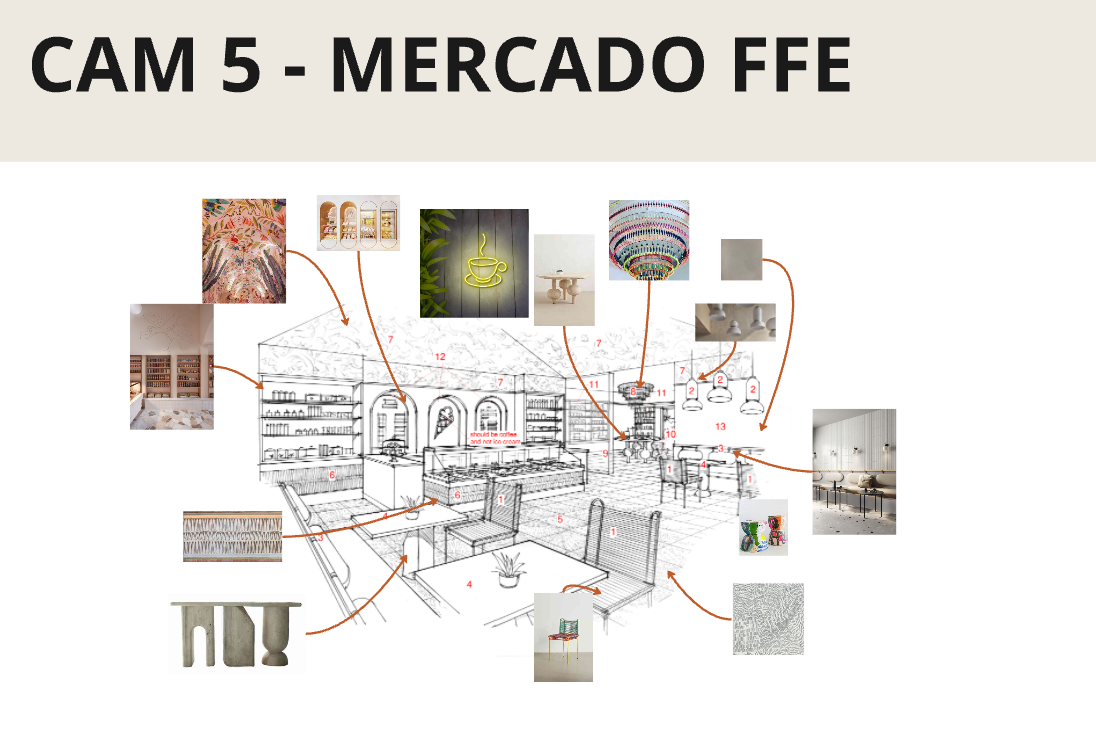
Custom FFE is the largest variable for pricing
What actually drives cost within that range
For multifamily specifically, the biggest lever within a given interior or exterior tier is how much of what's in frame has to be custom-built. A meaningful share of multifamily FF&E — standard furniture, common fixtures, typical finishes — comes from existing libraries, which keeps costs contained. But not everything does: one-of-a-kind furniture, custom millwork, or unique amenity lighting fixtures all require modeling and texturing from scratch, and that's the work that pushes a project toward the top of its tier. Multifamily sits in between office (mostly library-sourced) and resort/hospitality (almost entirely custom) on this spectrum.
Multifamily also includes an allowance for a common real-world scenario: an owner seeing certain specified furniture or fixtures rendered for the first time and deciding something needs to change. Every project includes up to 8 hours of that kind of FF&E substitution work after initial review. Changes beyond that scope, or significant changes to the model itself after production begins, are billed as additional work. Material options are a separate add-on too — base pricing assumes a single material palette per image.
How the revision process works
The process runs in two phases, each built around a different kind of feedback.
Phase 1 — Whitebox
Camera angles, massing, composition, and lighting get unlimited revisions before materials are applied — the cheapest point to change direction, so there's no cap on how many passes it takes to lock in the shot.
Phase 2 — Materials and Entourage
Once materials and finishes are applied, the project moves into a structured process with four revision rounds for refining color, texture, lighting, and people/entourage placement.

What an aerial adds
Aerial renderings are delivered at 8,000 pixels wide — roughly double the resolution of a standard eye-level shot — because they're built to hold detail across a much larger frame: full site layout, multiple buildings, and surrounding context in one image, not just a wider angle on the same scene. That's why it's priced as its own add-on rather than folded into the exterior base.
What pushes a deck from statics-only into higher tiers
Tier 1
A statics-only package — exterior, a handful of amenity and interior shots — is what lands in the $8,000–$15,000 range.
Tier 2
Once a VR tour or a browser-based walkable experience is added to that same package, the total moves substantially higher, into the $20,000–$60,000 range depending on the scope of the walkthrough and how many spaces it covers. This isn't just more images — it's a different deliverable. A VR tour, online tour, or fully walkable tour requires building out a navigable environment rather than a fixed set of camera angles, which is a meaningfully larger scope of work… However, it also gives prospects something static renderings can't: the ability to stand at any point in the space and look around freely, rather than seeing only the specific angles a photographer or artist chose for them. They are unique immersive experiences that sell projects and allow teams to really see how a project is coming together.
Tier 3
Pairing a tour with a cinematic animation is the top tier of this range, typically running $60,000–$100,000 — combining a navigable environment with a fully choreographed, directed sequence is the most involved deliverable we offer and leaves investment teams with the full range of experience — the freedom to explore any point in the space themselves, backed by a directed, cinematic story that shows exactly how the developer wants a project to be seen.
How this compares to office and resort/hospitality
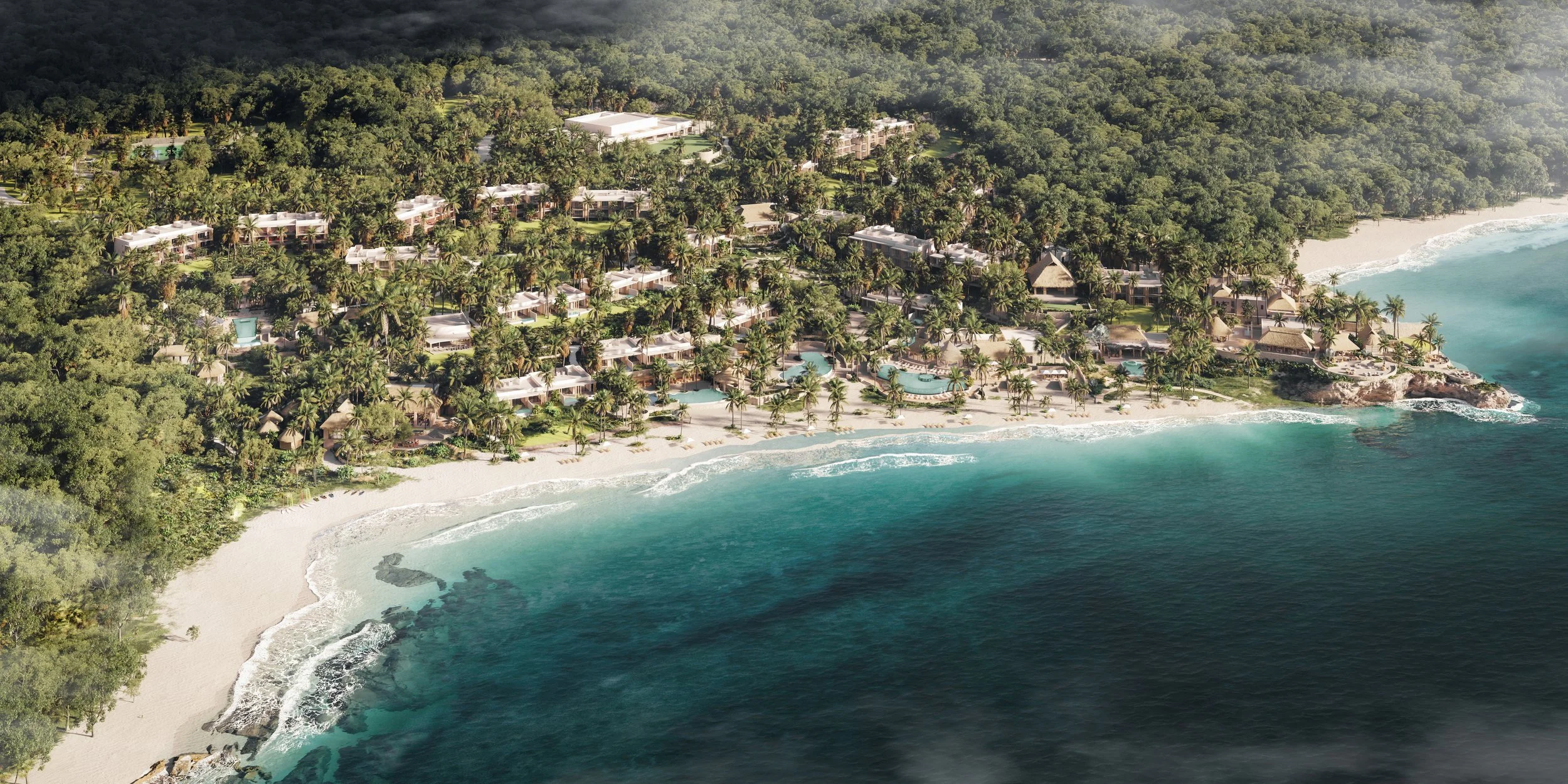
Multifamily sits in the middle of BOLDRVIZ's pricing range. Office projects typically run lower on both interior and exterior pricing, since office interiors lean more heavily on library-sourced furniture and finishes, and turnaround is usually faster — 4–6 weeks versus multifamily's 6–8. Resort and hospitality projects run meaningfully higher across the board — often close to double a comparable multifamily exterior — because that category is almost always fully custom, with far less reliance on existing asset libraries, plus more extensive landscaping and site work. Resort turnaround typically runs 8–10 weeks to accommodate that added scope. Aerial pricing follows the same pattern, scaling up significantly for resort-scale, heavily landscaped sites compared to a single multifamily building.
What these timelines assume
The turnaround ranges above assume the design is largely locked before production starts — materials, FF&E, and finishes selected, not still being sourced and decided. Starting before those decisions are finalized and approved may extend the timeline well beyond these ranges, since feedback on Phase 2 passes may be delayed while stakeholders confirm approval.
The practical takeaway
For a multifamily investor deck, decide first whether the goal is a statics-only package, one that includes an immersive VR or web-based tour, or one with a tour and an animation — that decision moves the budget more than anything else. A tight statics package lands in the $8,000–$15,000 range; adding VR or a walkable tour moves the total into $20,000–$60,000 territory; a tour paired with an animation runs $60,000–$100,000. Within any of these, projects with more custom, unique, and one-of-a-kind furniture or a more complex surrounding environment should expect to land toward the top of the relevant range.
Planning a multifamily investor deck and want a quote scoped to your actual image count and FF&E complexity?
Get in touch with BOLDRVIZ for a project-specific estimate.